

Celebrate your students’ talents with us in
March during Arts Education Month
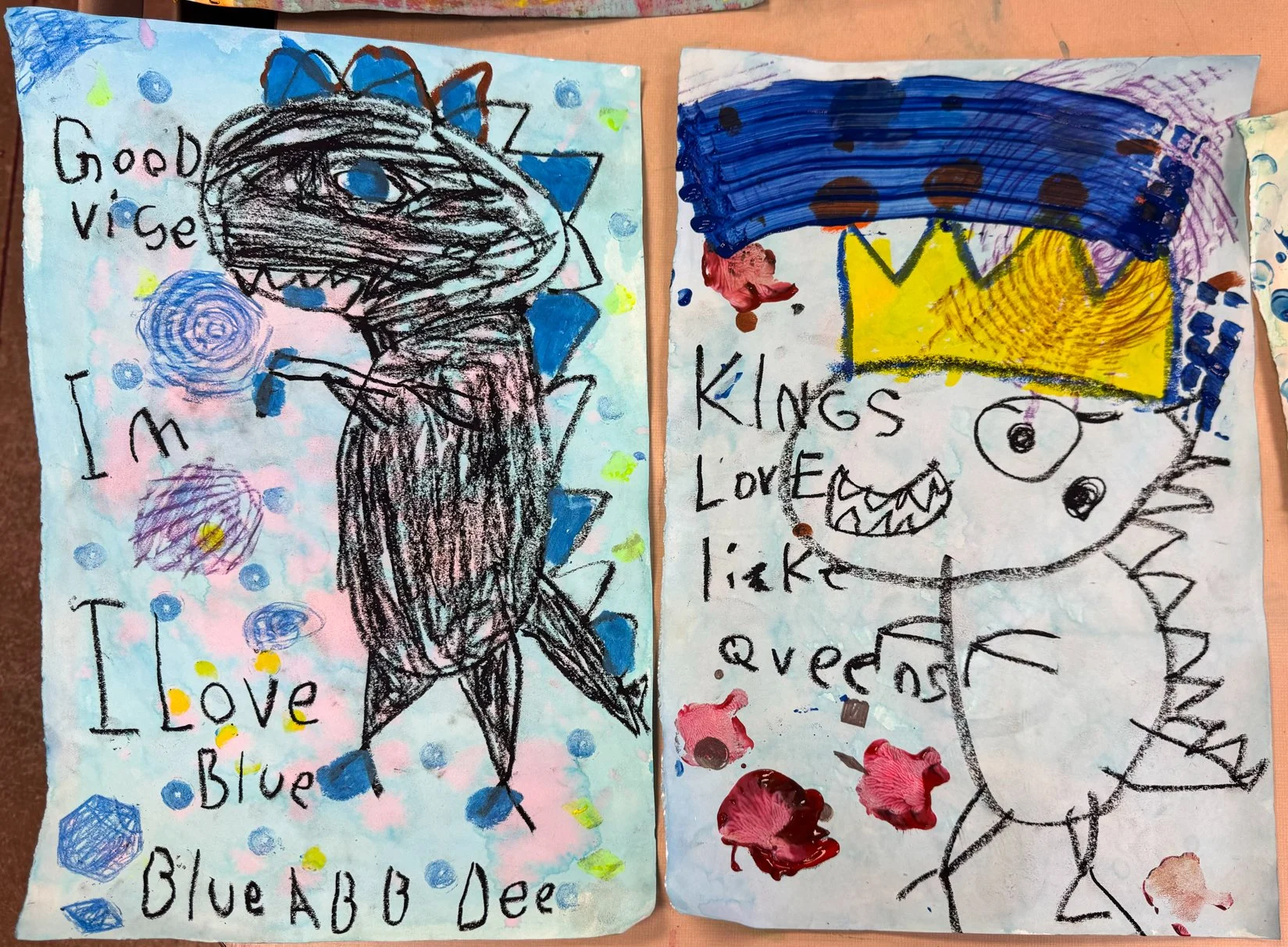
Students at Oxmoor Valley Elementary School learning new printmaking techniques
Help Us Promote Arts Education Month in MARCH! We want to hear from YOU!
During the month of March, help us spread the word about the value of the arts and arts education. Join our campaign by sharing your stories with us!
How to Participate:
Share a video or photograph(s) showcasing the transformative power of the arts in education.
Highlight a personal experience - your own or a student’s.
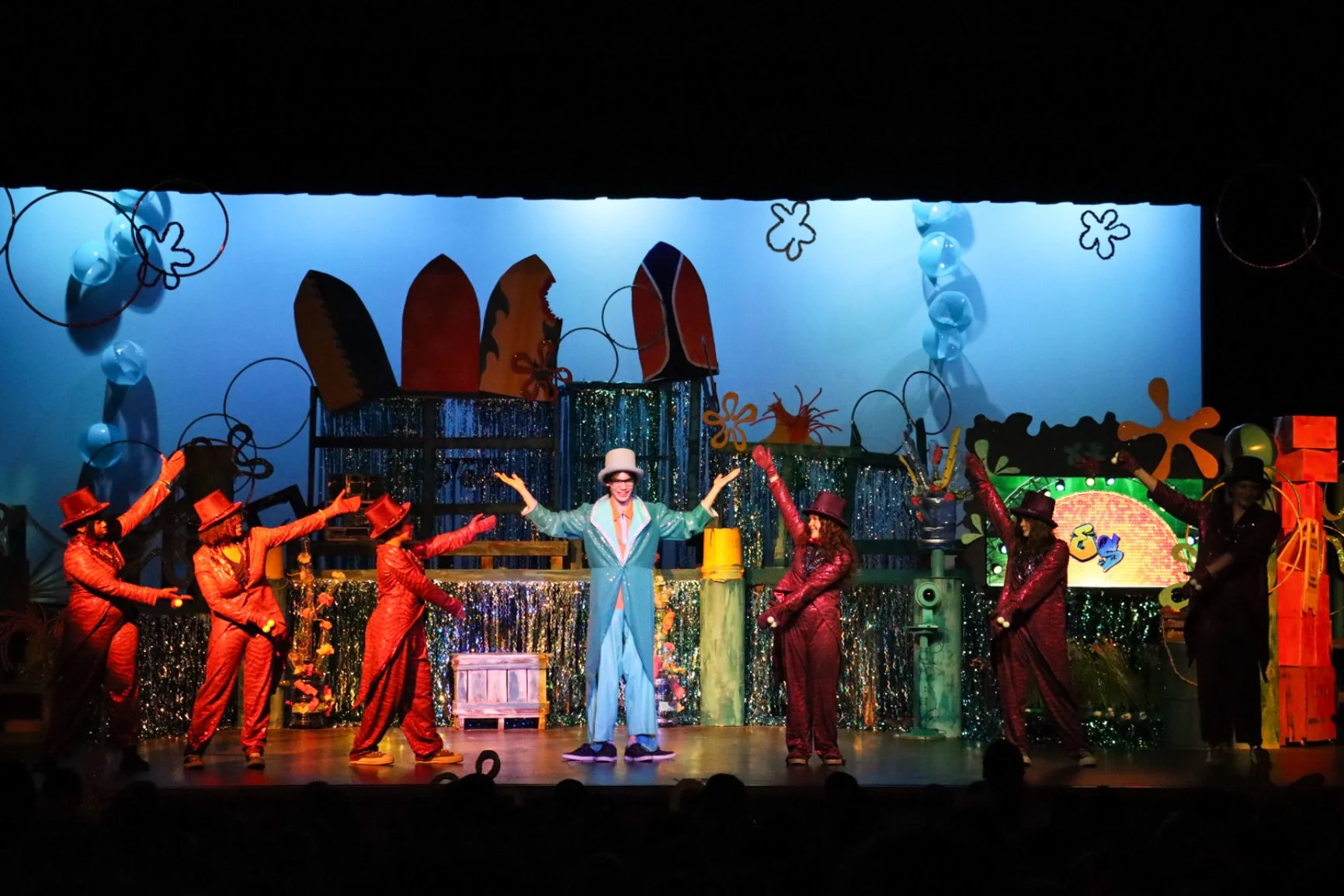
Demopolis High School performing
The SpongeBob Musical Youth Edition
Arts are Education Testimonials
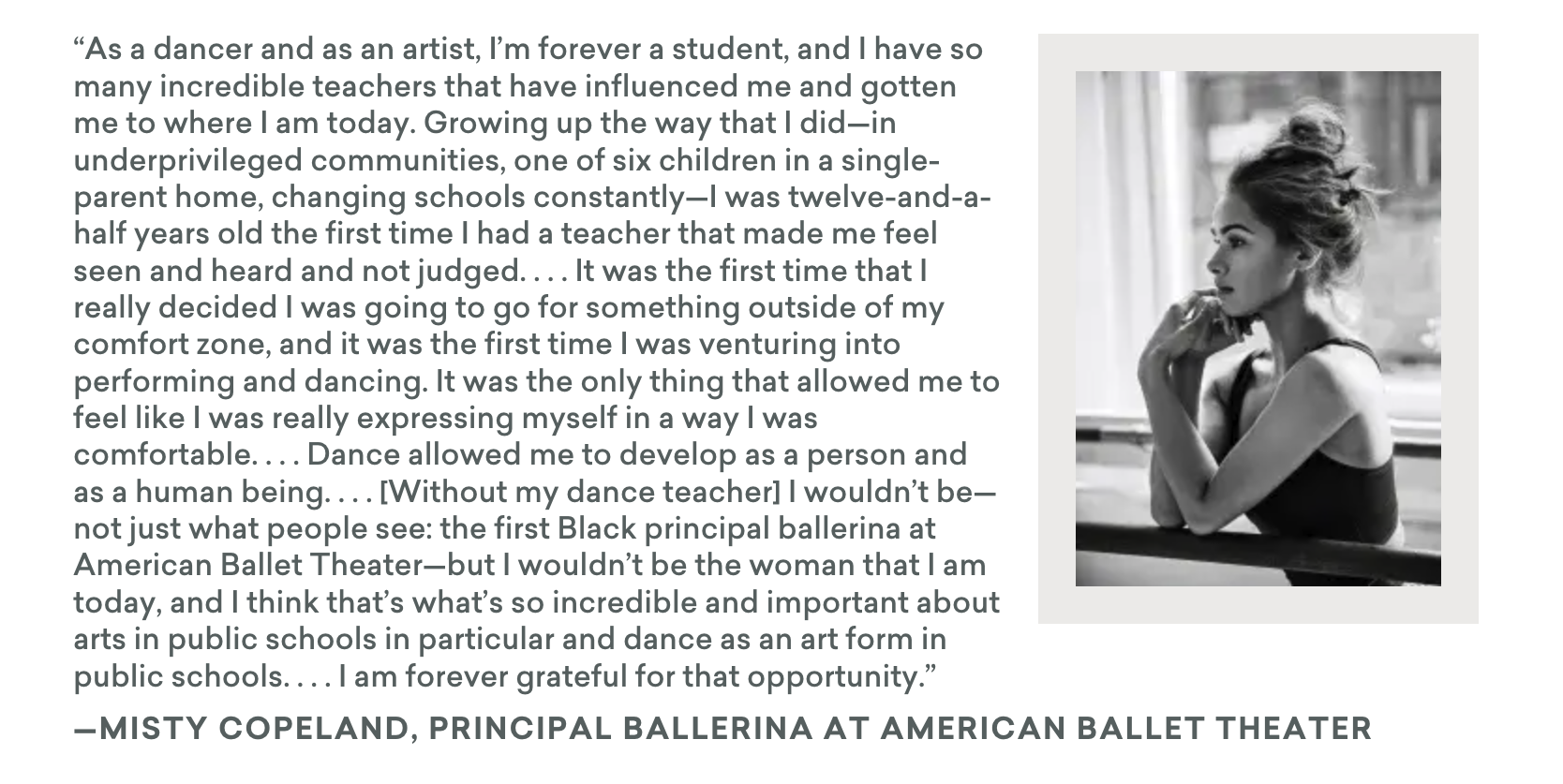
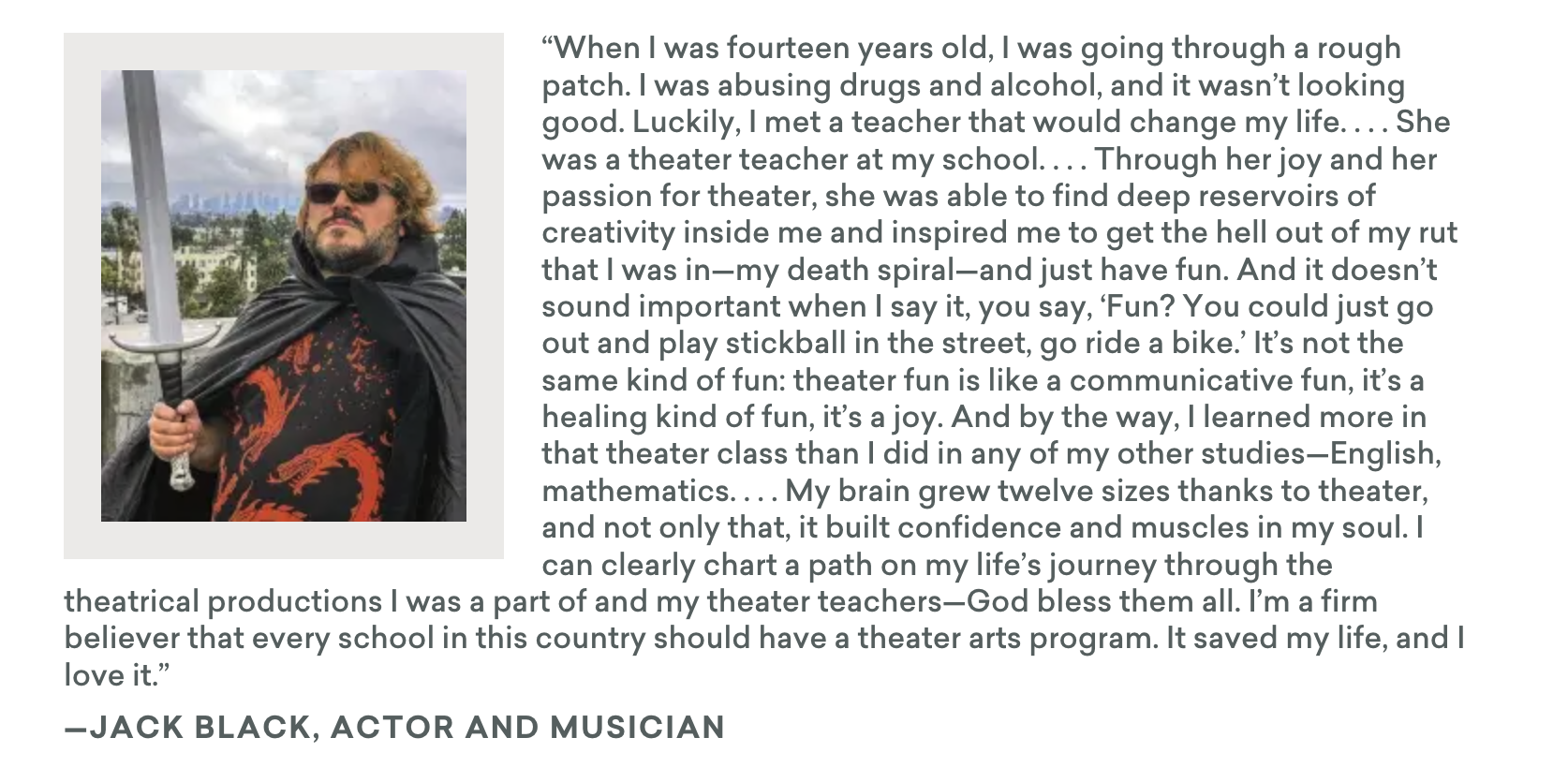
Quotes borrowed from American Academy of Arts and Sciences’ report “Art for Life’s Sake, The Case for Arts Education”.
Video by Terrible Master Films, LLC
featuring students from Booker T. Washington Magnet High School and Faculty from Alabama State University


As teaching and learning continue to evolve, our commitment to provide rich and varied educational experiences remains strong. The arts provide connections to a student's family, community, and to understanding society, as well as play an important role in the lives of all students, including the traditionally underrepresented, those with special needs, and from low-income families.
All students must have equitable access to arts education to support their well-being.

Students and adults come together through the arts to create a healthy and inclusive school community. The arts, through a rich partnership among certified arts educators, school leaders, parents, and community arts providers, play a valuable role in helping students and their families build and sustain community and cultural connections.
Arts Education allows students to express themselves
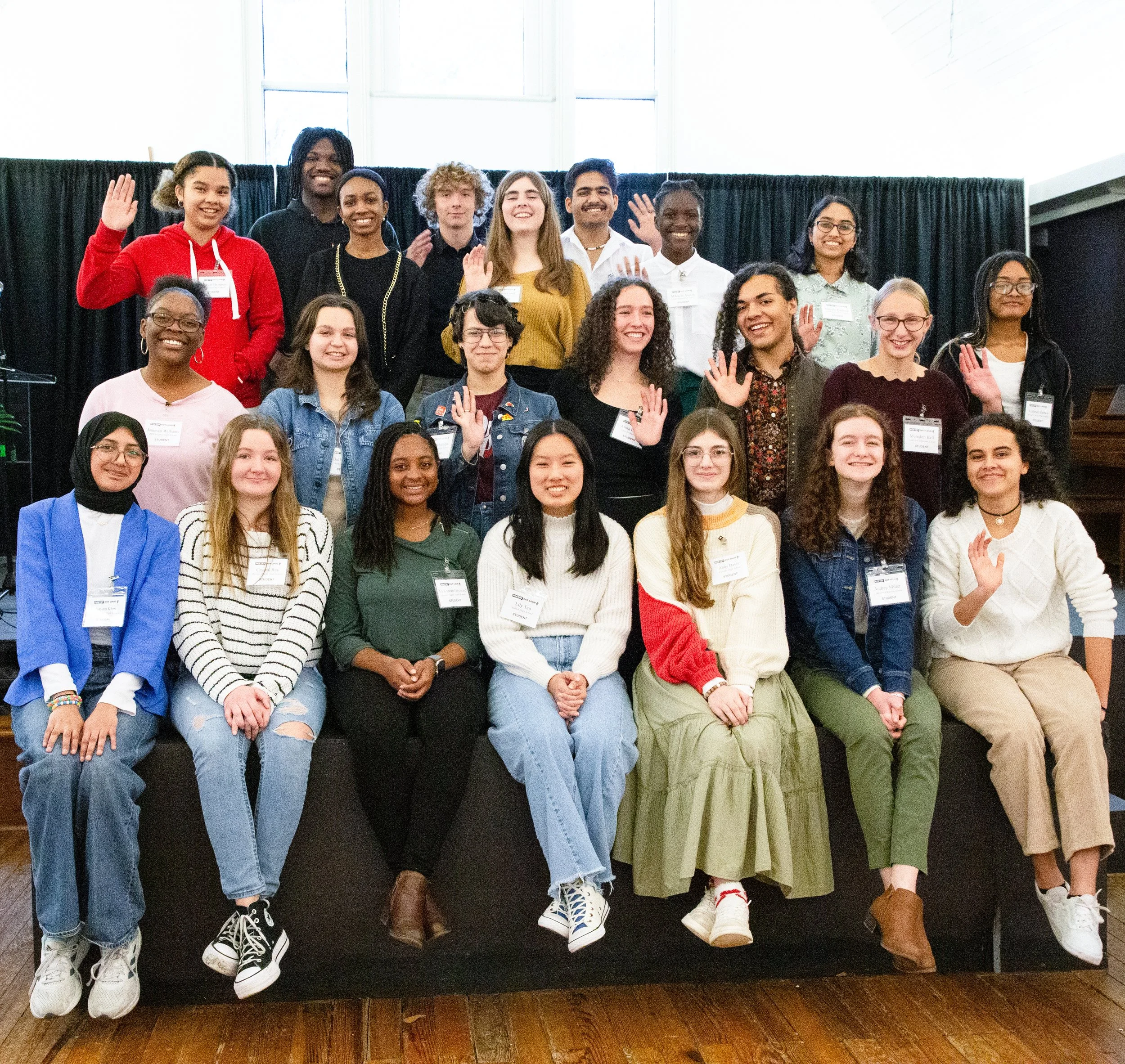
Student learning in the arts is recognized in federal and state policy. As defined in ESSA, “music and the arts” are part of a well-rounded education. Every state in the nation recognizes the importance of the arts as reflected in rigorous PreK-12 state arts standards. Forty-six states require an arts credit to receive a high school diploma, and 43 states have instructional requirements in the arts for elementary and secondary schools. As noted in Arts Education for America’s Students: A Shared Endeavor: “An education without the arts is inadequate.”
Arts Education is part of
a well-rounded education
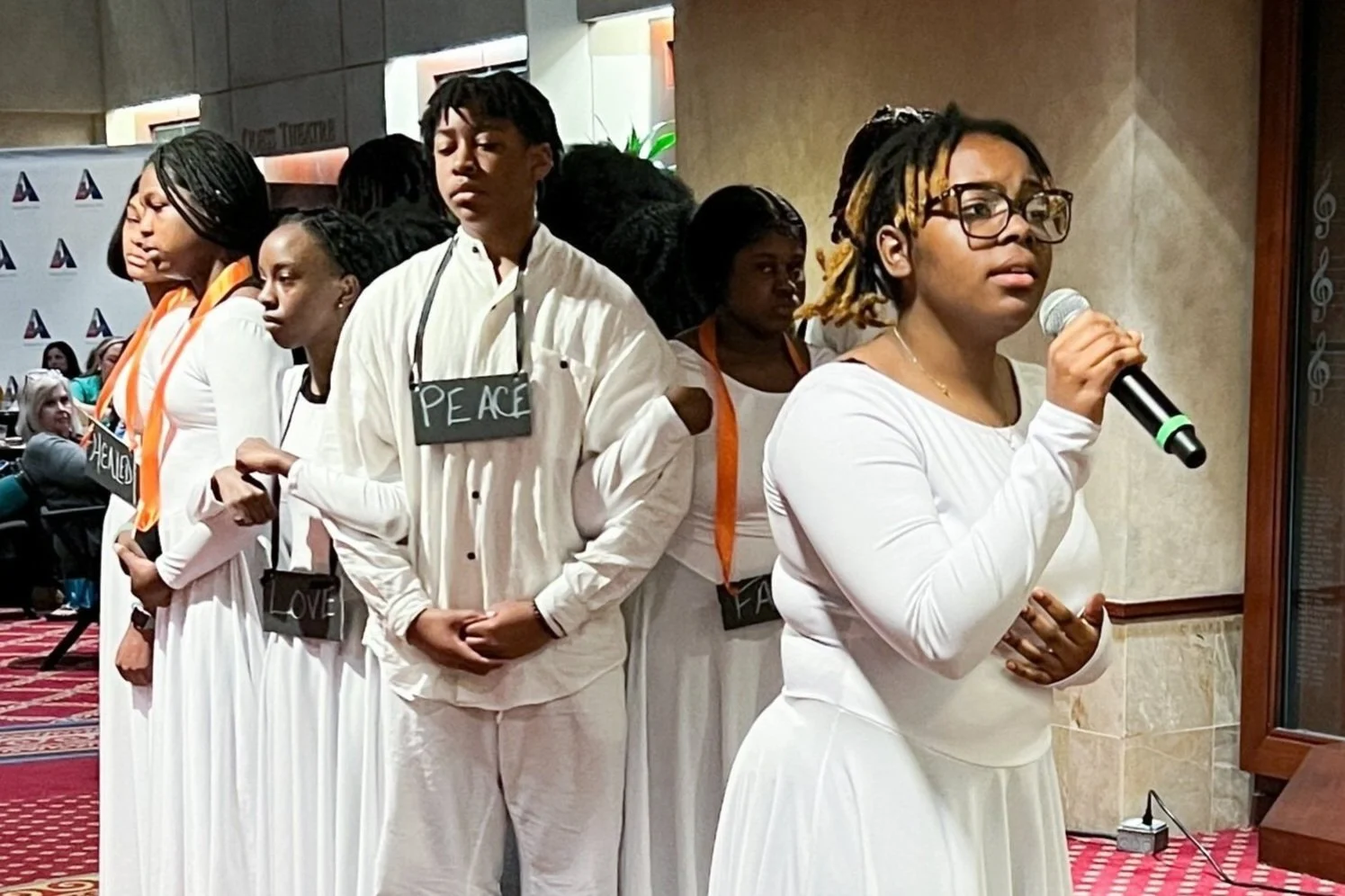
Students prepare for career, college, and new opportunities through the arts. Self-awareness, self-efficacy, self-management and perseverance, social awareness and relationship skills are central to any arts education activity, no matter the age and ability of the student or the environment in which the learning takes place. The arts, with their strong emphasis on team-building and self-reflection, are supremely suited to ignite and strengthen students’ interest in learning through collaboration, while simultaneously fostering creativity, critical thinking, and communication skills. The arts help students learn how to design and build their own lives both now and into an ever-changing future.
Arts Education is key to unlocking potential in our students.
